
I talked about some of the upgrades I had planned for my 1991 K5 Blazer. The goal was to make it a little more capable off-road without turning it into something that’s miserable to drive on the street. Since then, I’ve started putting that plan into action.
The biggest changes were to the gearing and differentials. The Blazer still had its original 3.42 gears and open differentials, which weren’t exactly ideal for the kind of trail driving I want to do. I wanted something that would give me better traction when things get a little rough, while keeping the truck reasonably comfortable for regular driving.
Moving to 3.90 Gears
One of the main upgrades was swapping the factory 3.42 gears for 3.90s. It’s not necessarily the most exciting modification to look at, but it’s an important one, especially with plans to run larger tires.
Changing the gear ratio affects how the truck puts power to the ground. The lower gearing of the 3.90s gives me more torque multiplication at the wheels, which should come in handy when crawling along trails or working through slower, uneven sections. It also helps compensate for the larger tires, which effectively make the gearing feel taller than it did with the stock setup.
It’s one of those changes that makes sense for the direction I’m taking the Blazer. I’m not building it for highway speed records, and I’d rather have the gearing suited to the kind of driving I plan to do.
Getting Better Traction
The other big part of the project was addressing the open differentials. Before the upgrades, both the front and rear axles were open. That works fine on the street, but it can become a problem off-road when one wheel loses traction.
For the front axle, I went with a lunchbox-style locker. One of the reasons I was comfortable with this setup was the manual hubs I had already installed. With the hubs unlocked, I can keep the front axle disengaged during normal two-wheel-drive street driving. When I need four-wheel drive, I can lock the hubs and use the front axle on the trail.
In the rear, I went with a Yukon Duragrip limited-slip differential. I wanted something that would improve traction without the more noticeable characteristics of a full locker in the rear, particularly when driving around town or making turns on pavement.
The idea behind this combination is pretty straightforward: have the added traction of a locker up front when I need it, while keeping the rear end more street-friendly. Neither setup makes the Blazer unstoppable, but together they should make a noticeable difference when the terrain gets more challenging.
Getting the Work Done
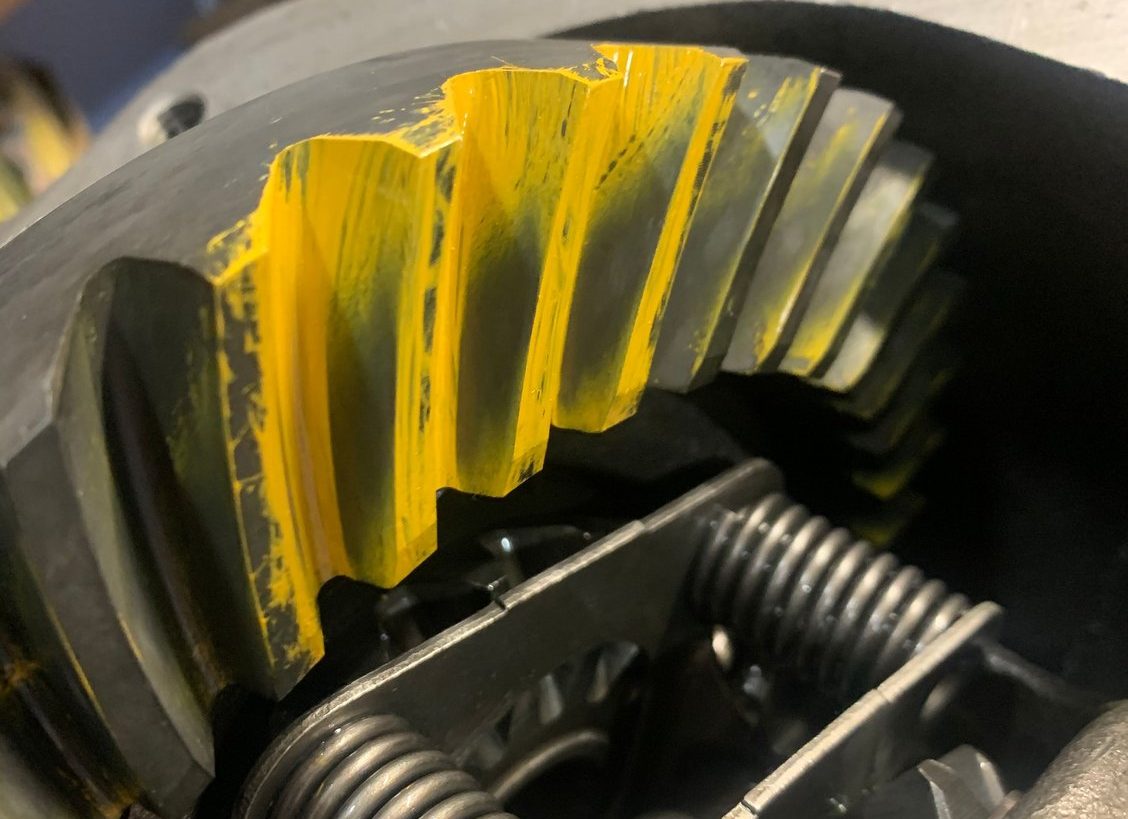
Differential work isn’t something I wanted to rush through. Changing ring-and-pinion gears involves setting the gear mesh and pinion preload correctly, along with checking the contact pattern. Getting those adjustments right is important for the gears to run properly and last.
With the front and rear differentials being worked on as part of the same project, it made sense to have the drivetrain upgrades handled together rather than tackling everything separately.
A project like this also involves more than simply swapping parts. There are measurements to check, clearances to verify, and adjustments that need to be right before everything goes back together. I’d rather take the time to get it done properly than have to revisit the same work later.
If you missed my earlier post, you can read about the original plans here: Upgrades on the Horizon for the Blazer.
I’d also like to thank the technicians at Great Valley Auto Repair in North Versailles, PA, for their work on the Blazer. Having people who know their way around drivetrain and differential work is a big help with a project like this, and I appreciate the time and effort that went into getting these upgrades done.